MECLABS AI · Research Lab
The New Economics
(and Philosophy) of Value
in the AI Era
Why the sequence of thought — not the page, not the product — determines what the customer believes.
Opening Study
Does a picture make a claim more credible?
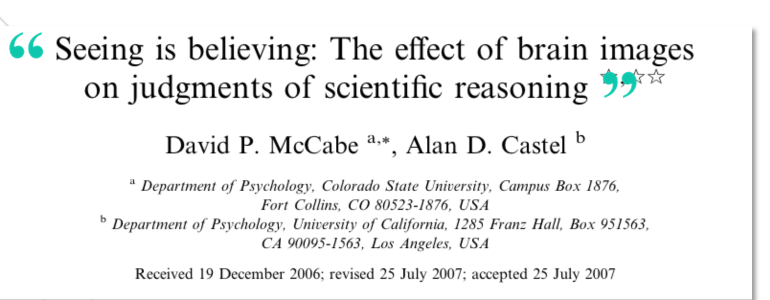
McCabe & Castel, Cognition 107 (2008)
A real journal abstract was shown to readers in three formats. Their task: rate how scientifically sound the reasoning seemed.
Critical Question
How do we communicate valuein the age of AI?
Make Your Pick
Which one read as most credible?
Select the version you believe participants rated as most scientifically credible.
The Result
“The scientific reasoning in the article made sense.”
156 readers rated the identical article. One version won by a reliable margin.
McCabe & Castel, “Seeing is believing,” Cognition 107 (2008) 343–352, Fig. 1b.
Back to the Study
Then we asked the machine.
We gave a large language model the same task the humans had — rank the three versions by scientific credibility. It reached the opposite conclusion.
“The original at least presents the study in a way that corresponds to the evidence described. The other two add visual elements that appear to imply additional scientific measurements that are not actually reported — they make the presentation more persuasive-looking while making it less trustworthy.”
Humans trusted the brain image. The machine did the opposite.
Key Principle
You must engineer your offer valuefor two evaluators: the human and the machine.
The Opening Question
Which version won?
Same offer. Same price. Same traffic. Two very different ways of asking for the click.
MECLABS Research Institute
Test Protocol

Doc. TP1635 · Rev. A
Documented outcome
Measured, not revealed
Result sealed.
Disclosed in the final exhibit
The Two Treatments
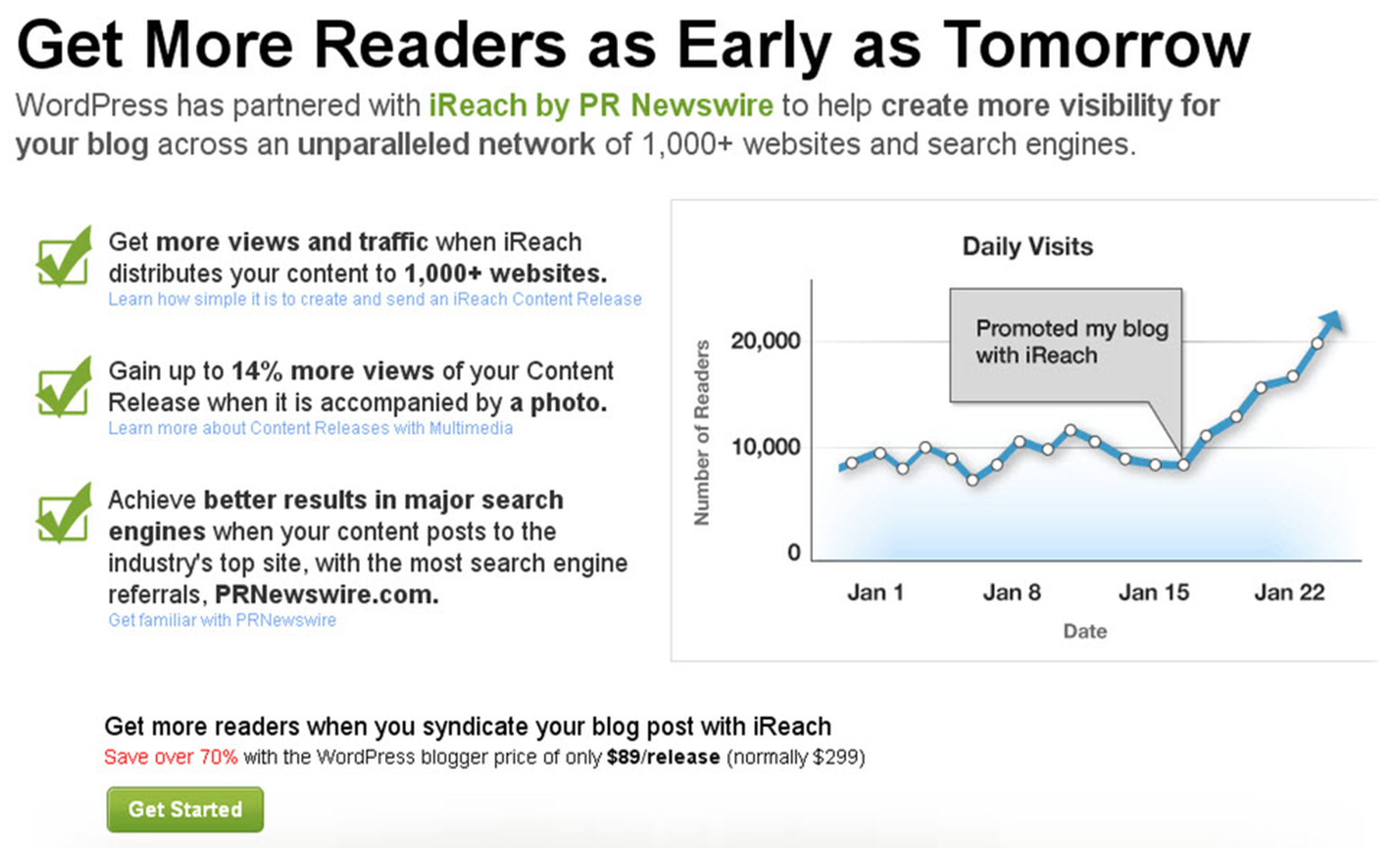
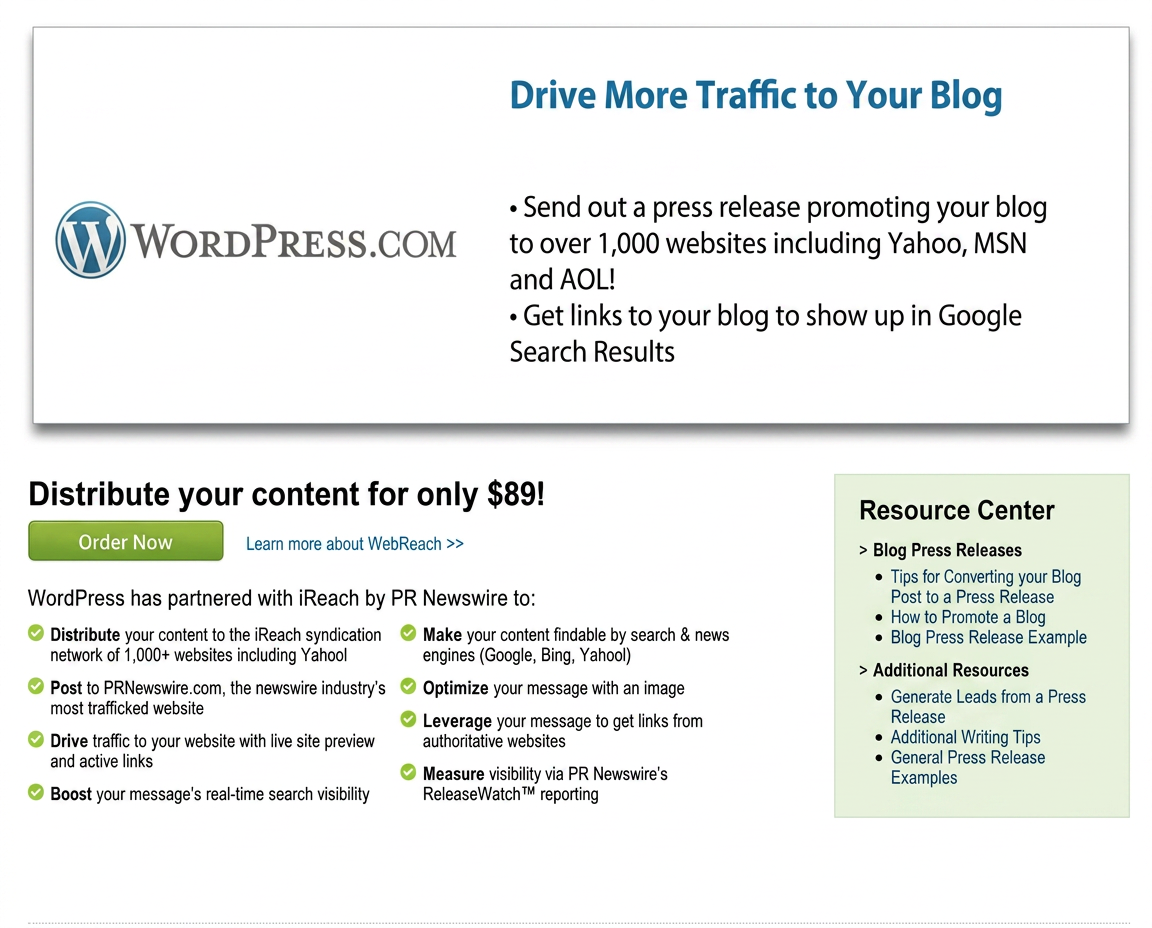
What the blogger actually saw
Leads with the brand. The offer arrives before the reason to want it.
Leads with the outcome. The price is the last thing you read.
Treatment / Anatomy
A headline about them
“Get More Readers as Early as Tomorrow.” The value proposition replaces the logo.
Proof before the ask
Three specific claims and a visits chart answer “why should I believe you?” first.
Price as relief
$89 arrives after the value is established — framed as 70% off $299.
MECLABS Research Institute — Test Protocol TP1635
Results addendum: the reveal
Doc. TP1635 · Rev. B — Final exhibit
Daily conversion rate, indexed. Traced from the original results chart.
+321%
Customer insight
Clarifying the thought sequence drove a 321% relative increase in conversion.
Key Principle
You need to win the emotion from the human.You need to win the condition from the machine.
Conversion Heuristic
Human emotion meets machine condition.
Does this candidate fit the query, the user's intent, the constraints, and the system objective?
Is this option demonstrably more helpful for this user than the available alternatives?
Does including or recommending this now materially improve the user's decision?
How much work is required to find, interpret, compare, verify, cite, and explain this option?
What is the likelihood and consequence of this recommendation being wrong?
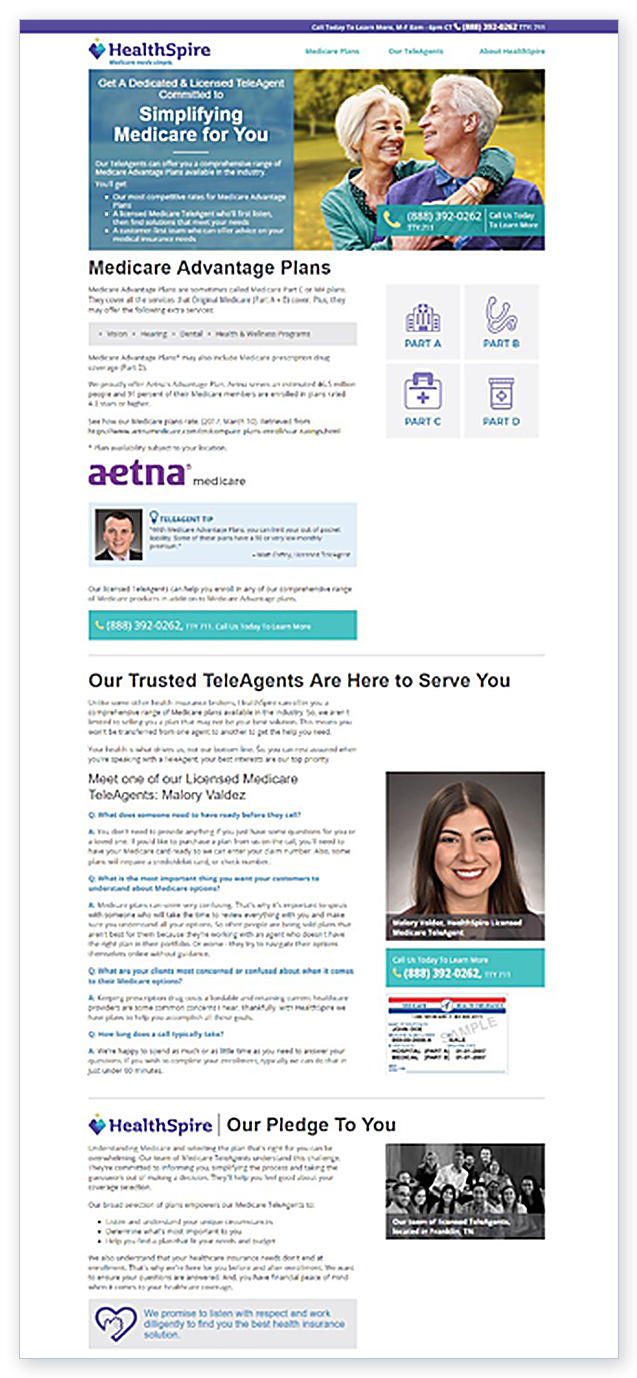
638%
Increase in qualified leads
Testing perceived value on a landing page
What transferred · Case 1 of 8
Prospects found more value — and were more motivated to call — when the page detailed who they would actually be speaking with.

166.5%
Increase in lead gen · 0.85% → 2.27%
Testing reduced friction on lead capture pages
What transferred · Case 2 of 8
Putting the form directly on the page and deleting the step that followed it removed friction and lifted lead rate.
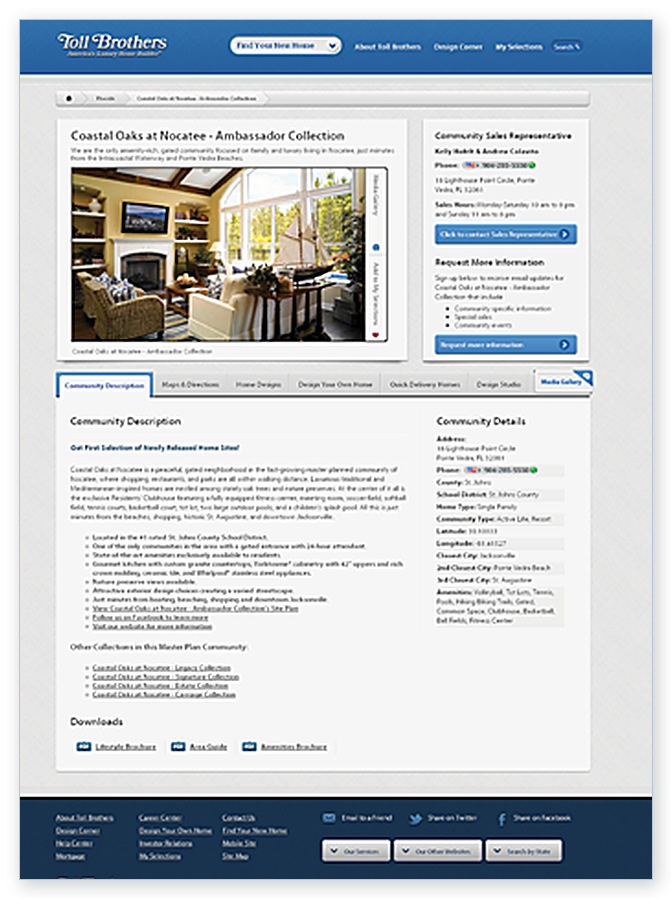
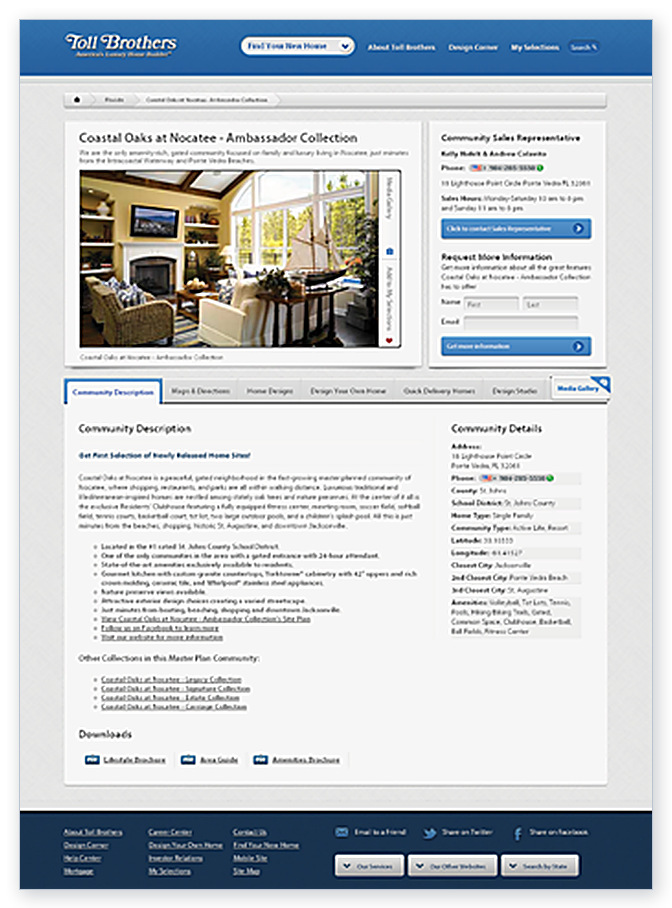
96.28%
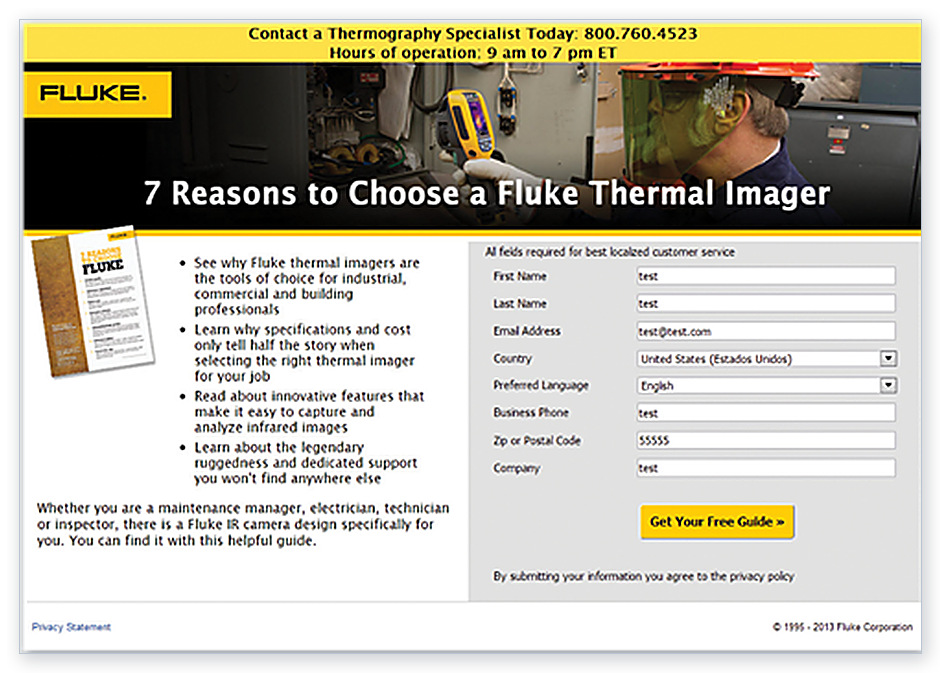
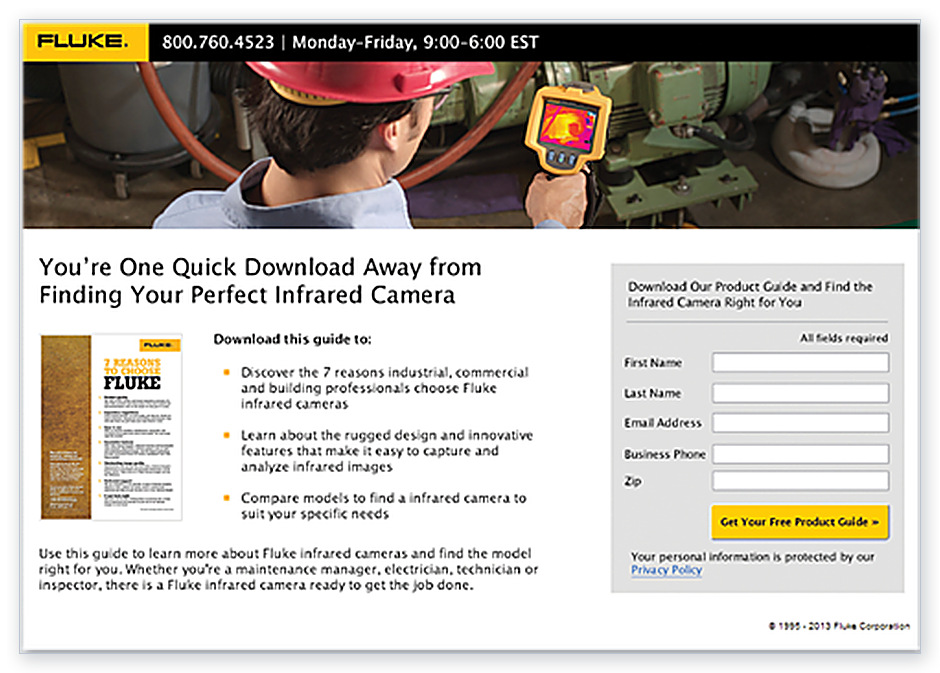
Increase in lead gen · 3.06% → 6.01%
Testing reduced friction and clarifying incentive value
What transferred · Case 3 of 8
Reducing form friction and stating plainly what the incentive was worth nearly doubled completion — and lifted incentive downloads 169%.
1,600
Sales-ready leads captured monthly
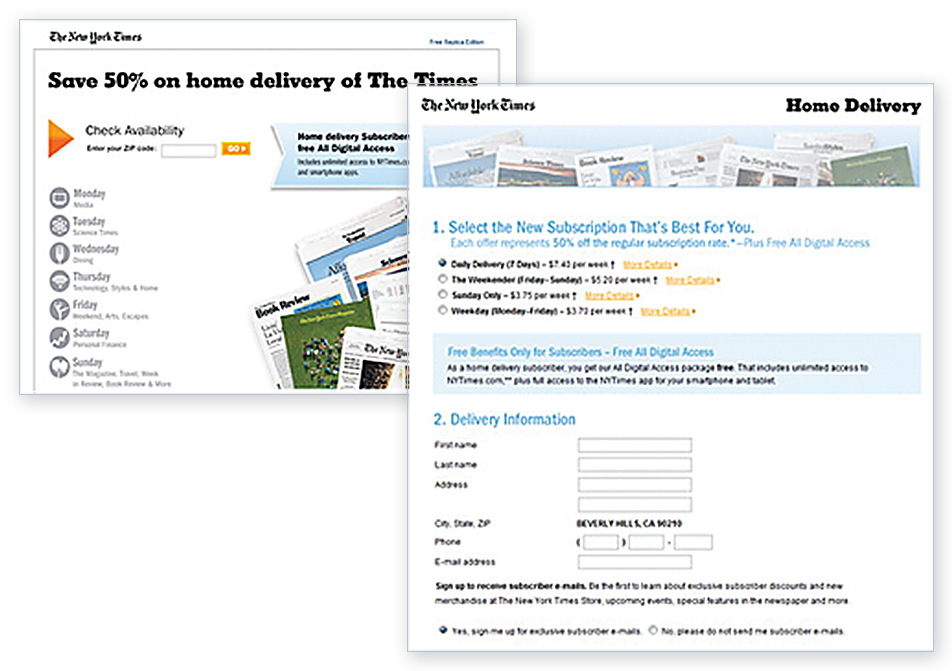
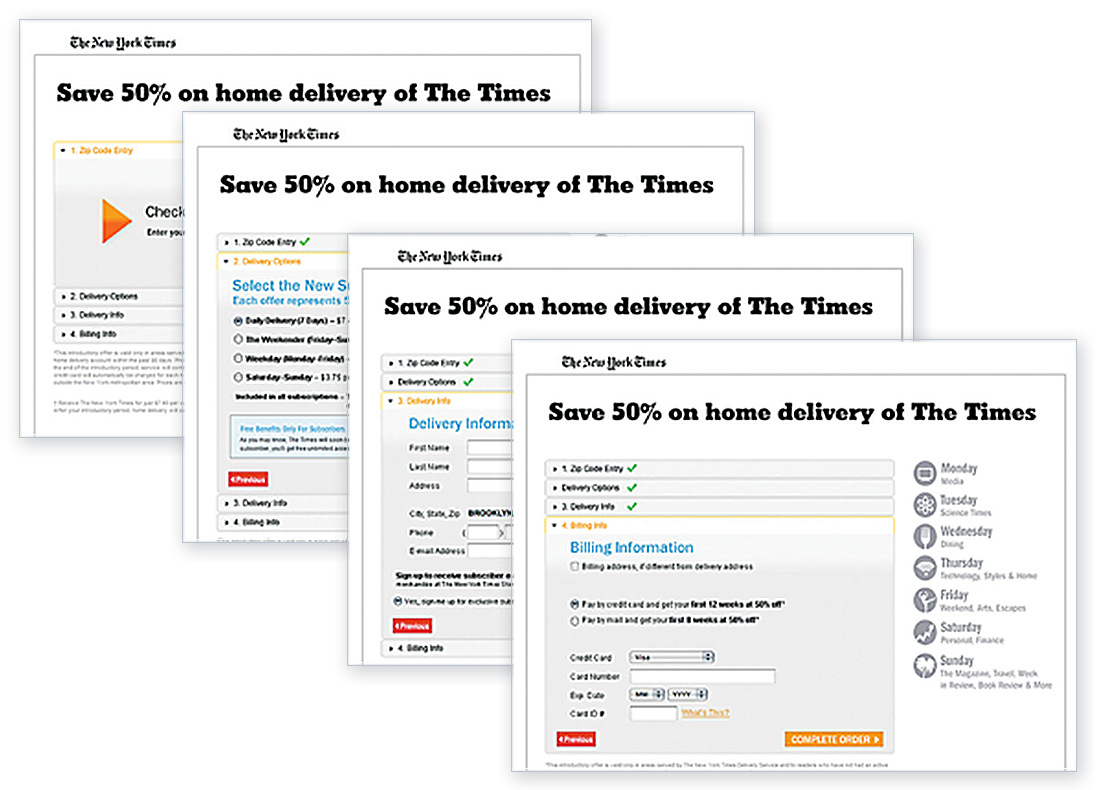
Testing a multi-step subscription funnel
What transferred · Case 4 of 8
More steps, not fewer: breaking the funnel up simplified each step, and capturing email early created a recovery channel worth 1,600 leads a month.
202.52%
Increase in memberships · 12.53% → 37.91%
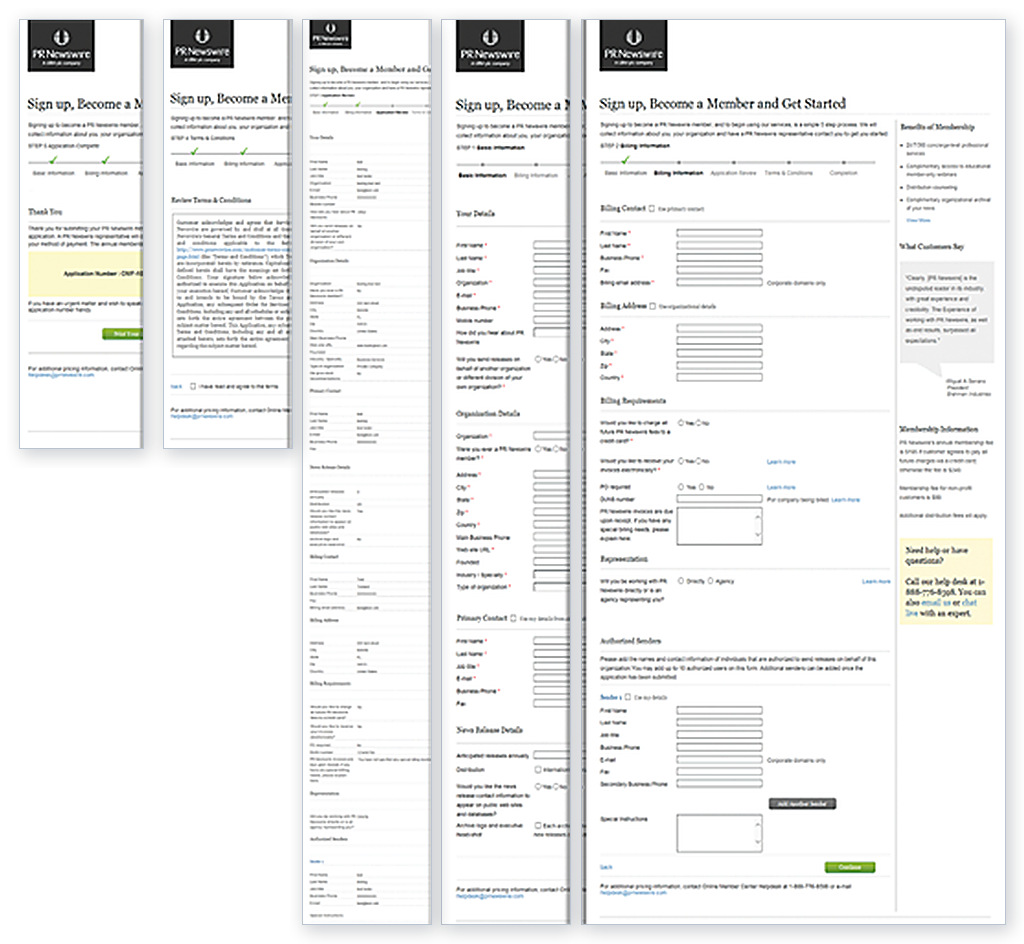
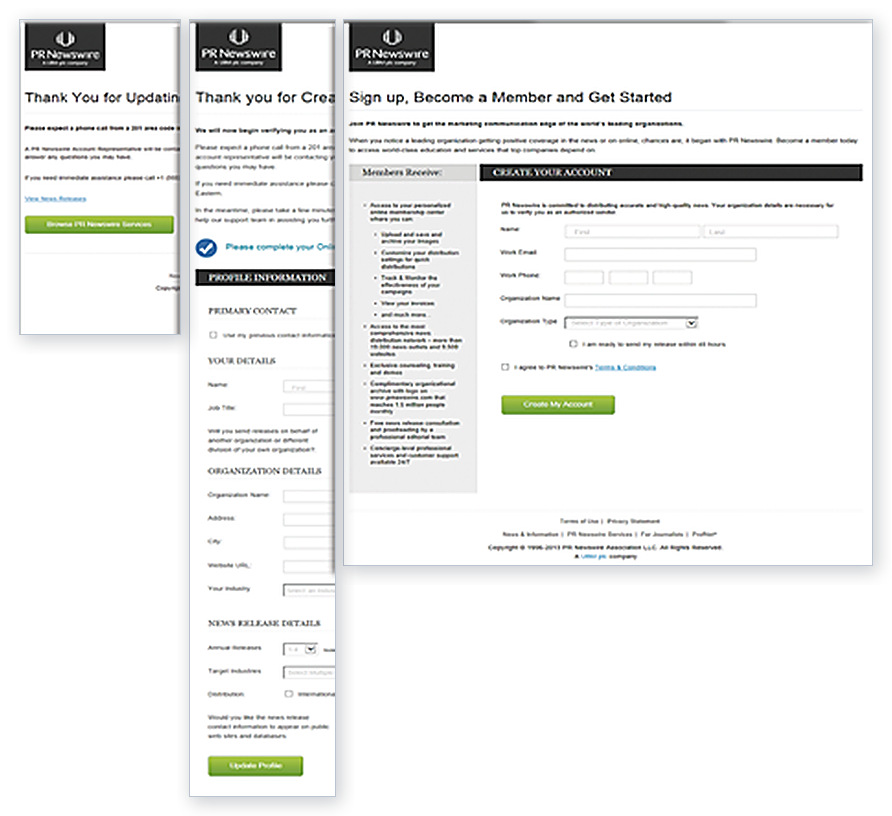
Reducing friction and clarifying membership value
What transferred · Case 5 of 8
Clarifying what the membership was worth, while stripping the application down, tripled completion — a projected $3,848,075 over twelve months.
45.5%
Increase in clickthrough
Iterative testing achieves cumulative lifts
What transferred · Case 6 of 8
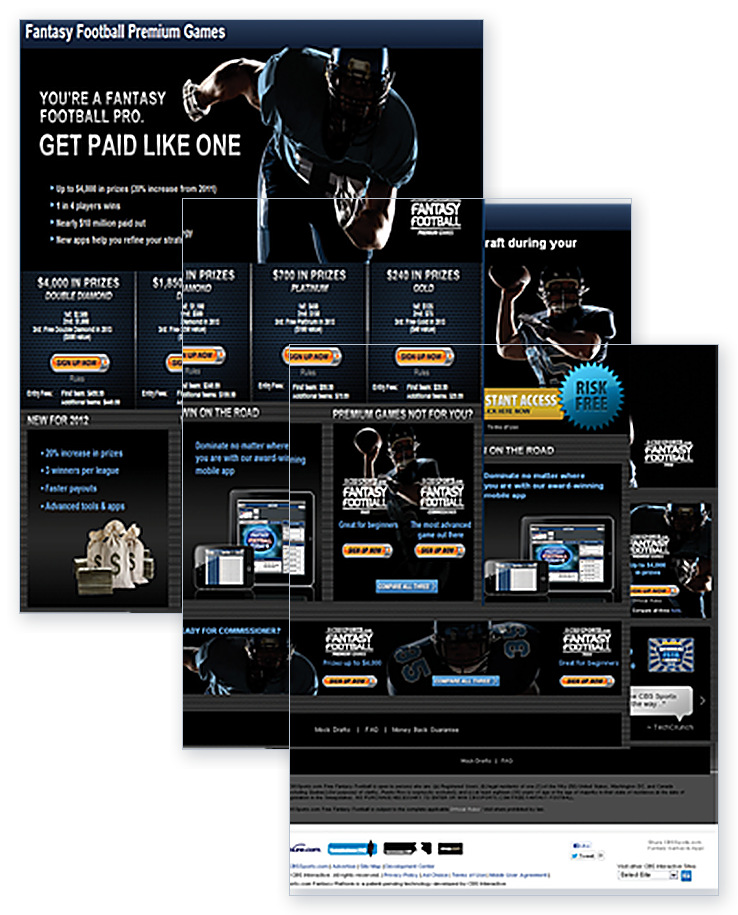
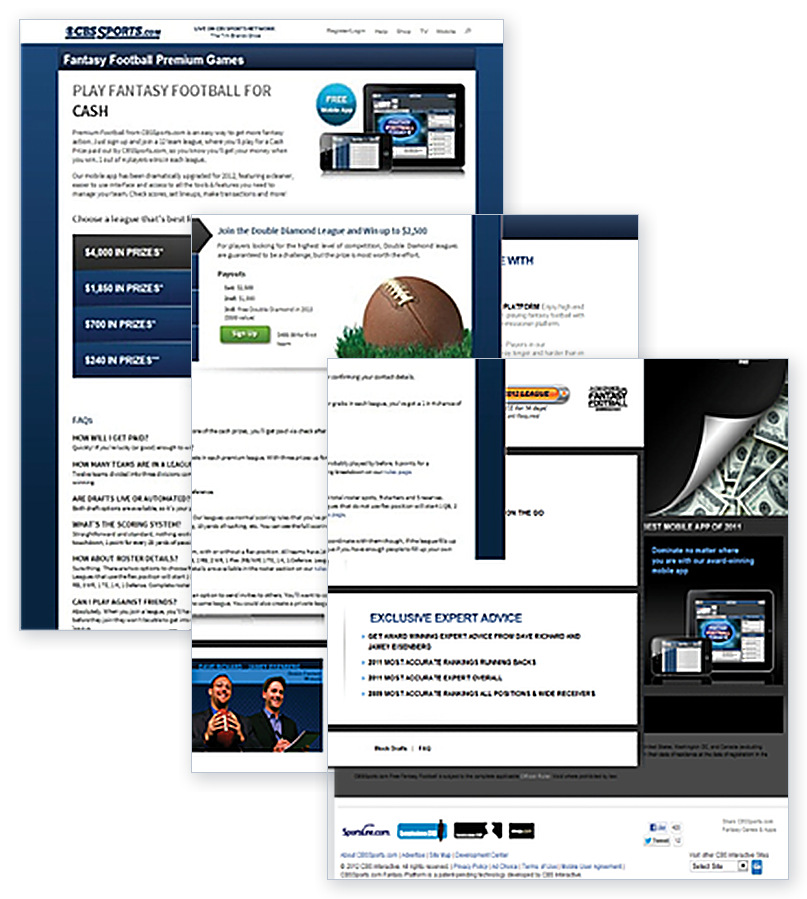
Six months of iteration across Free, Commissioner and Premium games — every lift held at a 95% minimum level of confidence.
752.89%
Increase in clickthrough · 0.05% → 4.40%
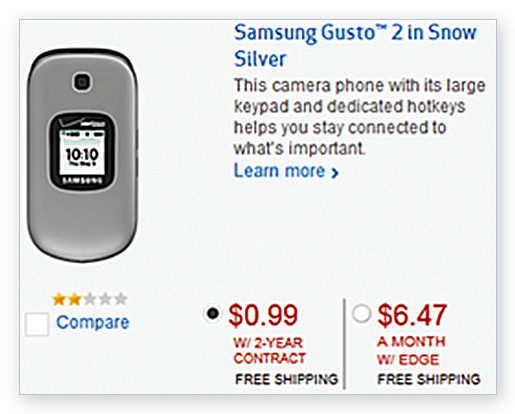
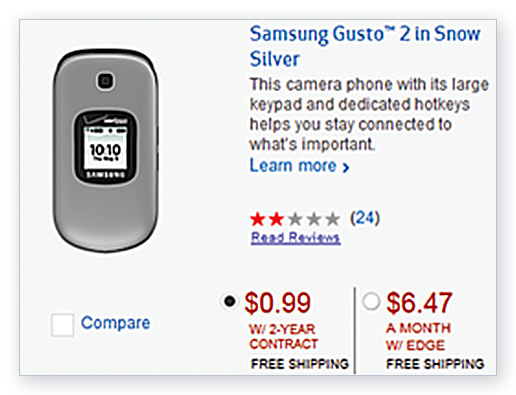
Testing eye path on a gridwall
What transferred · Case 7 of 8
A “Read Reviews” link, placed in the middle of the pod, clarified that reviews were even available. Every treatment using that placement beat its counterpart.
$3.1M
Projected annual revenue · 8.8% lift in reservations
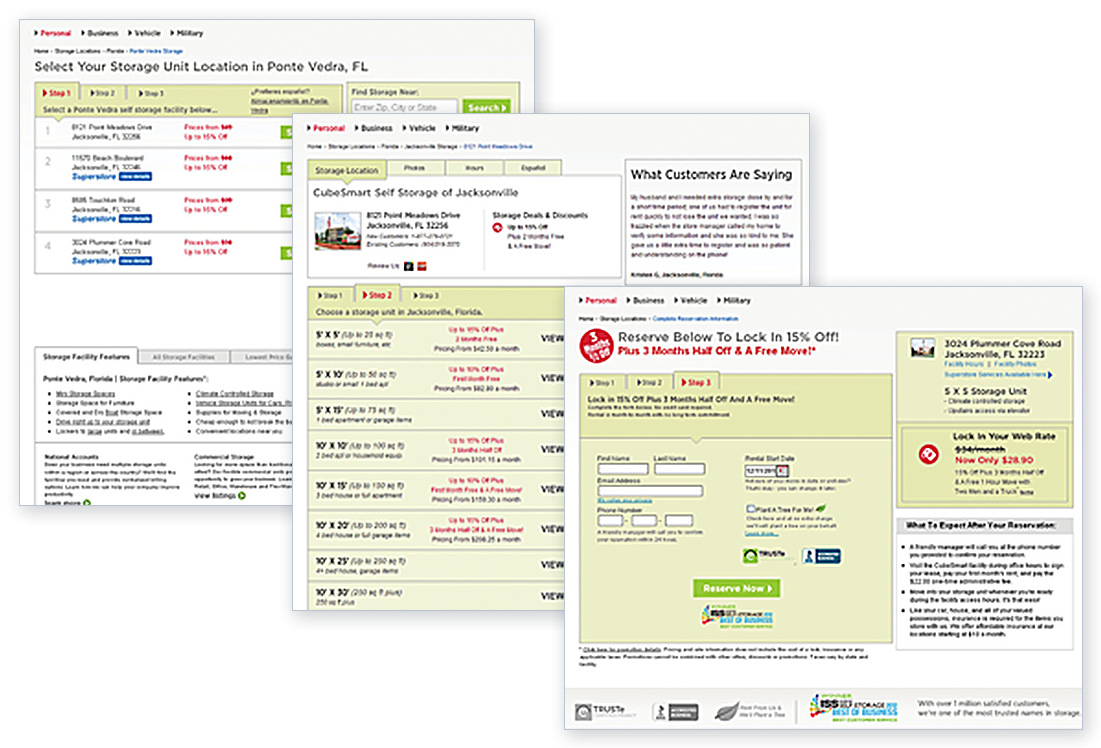
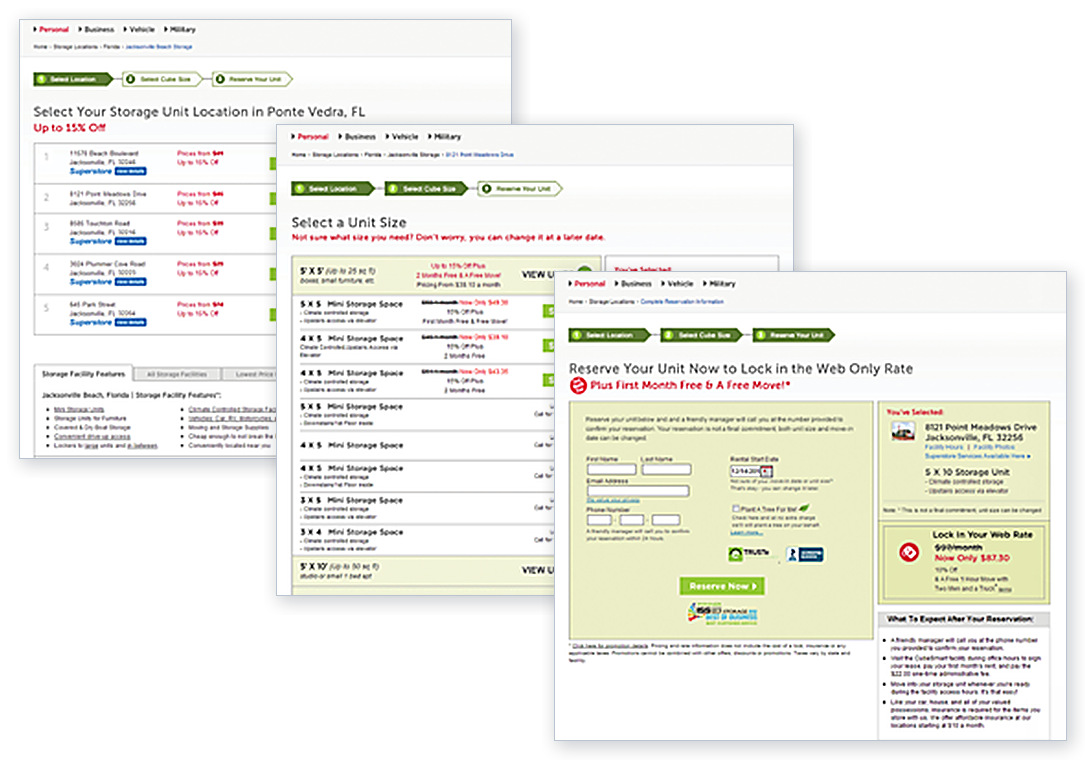
Testing reduced friction in a subscription funnel
What transferred · Case 8 of 8
A progress bar that outlined the reservation process reduced friction and answered anxiety — the reservation was not a final commitment.
Conversion Heuristic
Human emotion meets machine condition.
Does this candidate fit the query, the user's intent, the constraints, and the system objective?
Is this option demonstrably more helpful for this user than the available alternatives?
Does including or recommending this now materially improve the user's decision?
How much work is required to find, interpret, compare, verify, cite, and explain this option?
What is the likelihood and consequence of this recommendation being wrong?
Machine Condition
The FACTS Test
Does it fit the user’s mission?
Is it demonstrably better than the alternatives?
Does it materially improve the decision?
How much work is required to find, verify, and explain it?
How likely is it to be wrong — and what happens if it is?